
Tazria-Metzora
Modern-day Leprosy Stigma

How many have been silenced?
With his head hung low in shame, he sat across from me in an empty jail cell. Tears streamed down his face, and his voice quivered with emotion as he shared his story of childhood sexual abuse. After he finished revealing what was on his heart, our eyes locked, his filled with pain and suffering, and mine filled with compassion and understanding.
"I have never told this to anyone, and I don’t know why I’m sharing it with you," he said. His story reflected those of countless men who have experienced similar traumas. The men who were ready to confront their addictions requested to speak with me, so during my weekly visits to the county jail, I called them out of their cells to conduct assessments that included a history of their drug and alcohol use. This was the first step toward getting clean: admitting they needed help and reaching out for it.
These were boys who had grown into men, yet remained trapped in a state of arrested development due to the trauma of childhood sexual abuse. Time did not erase their pain; it could not. No amount of drugs, alcohol, relationships, or gaming could mask the shame and suffering they experienced. No amount of effort will silence the echoes. Locked away in their hearts and minds were haunting memories of fathers, uncles, brothers, cousins, babysitters, and even strangers who had sexually abused them. Their voices were silenced by shame or threats of violence against them, their family members, or even beloved pets.
I felt honored that they chose to share their shame with me. "It's no wonder you're using drugs and drinking excessively," I told them, clearly surprising them. "All that shame, guilt, and rage you've been carrying for so many years!" You might be shocked to learn how many men were sexually abused as children. This trauma often underlies many addictions, as individuals may use substances to self-medicate and cope with difficult emotions, overwhelming memories, and nightmares. The good news is you never have to use substances again. You have permission to begin your healing journey!
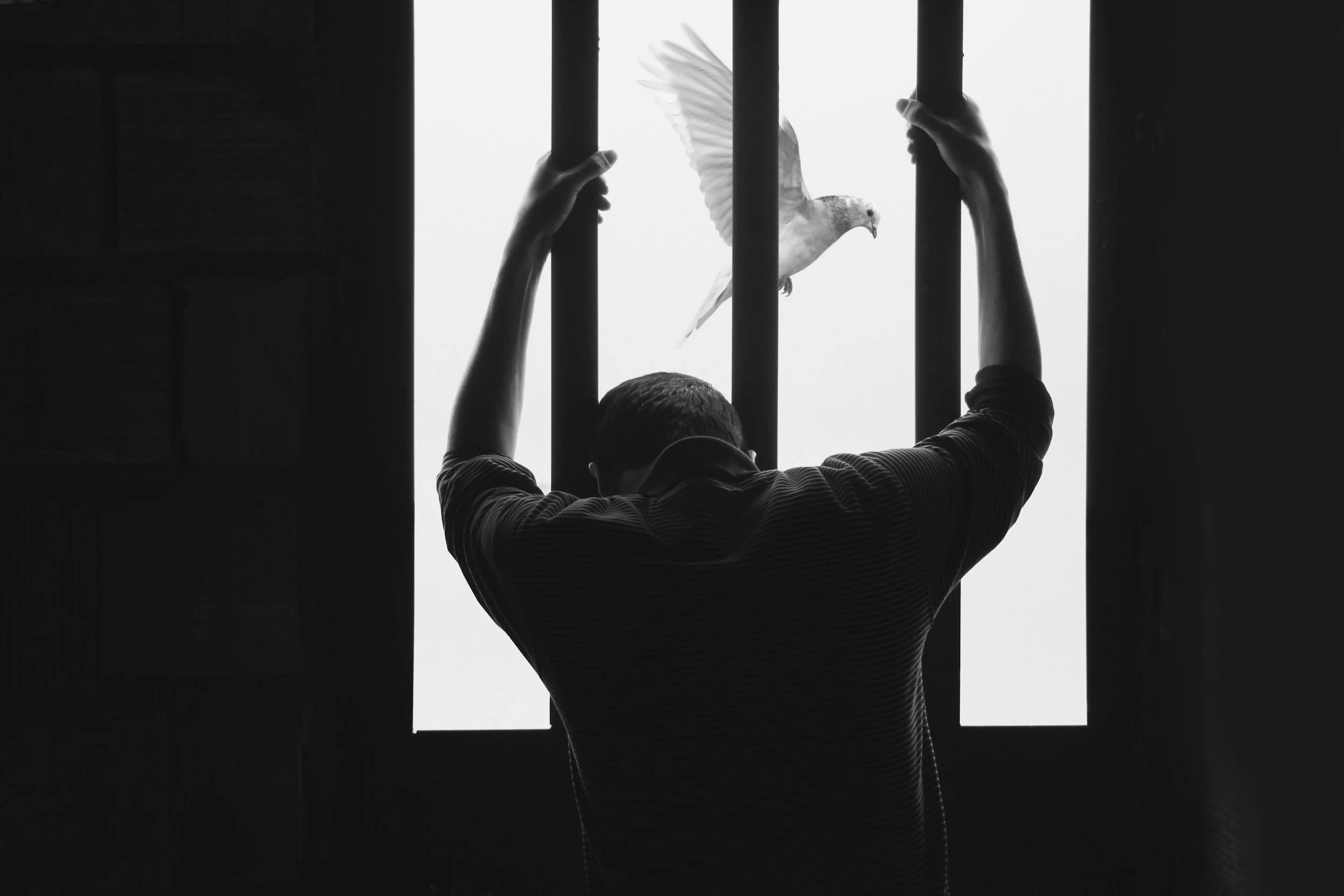
If the Son sets you free you will be free indeed John 8:35
ACE‑Aligned Childhood Sexual Abuse Stats (2024–2025)
Childhood sexual abuse is one of the core ACEs, but it is also the most under‑reported ACE because stigma silences victims. The latest national data show both the prevalence and the hidden burden created by shame, fear, and cultural silence
“Unclean! Unclean!” When Trauma Feels Like Contamination
In Leviticus, the metzora, the one afflicted with tzara’at, must cry out “Unclean! Unclean!” and dwell outside the camp. This is not just a ritual protocol. It is a public declaration of shame, separation, and symbolic contamination.
Survivors of childhood sexual abuse often carry this same unbearable weight. They feel dirty, not because they are, but because the violation left a residue on the body, the brain, and the soul. They were touched in ways that rewired their nervous systems, flooded their brains with stress hormones, and shattered their sense of safety. And then they were left to cry “Unclean!” in silence.
The shame is not theirs. The contamination is not theirs. But the exile? That they know intimately.
They are the ones who sit outside the camp, outside the family, the community, the sanctuary, wondering if they will ever be clean enough to return.
But Torah does not leave the metzora in exile forever. The priest goes out to them. He sees them. He touches them. He declares them clean.
This is the divine model:
To go out to the wounded.
To see the shame and refuse to agree with it.
To restore dignity, not demand purity.
Let us be priests of healing. Let us say to the sexually abused, the traumatized, the addicted: “You are not unclean. You are not alone. You are worthy of return.”
Be the hands and feet of Yeshua, who reached out to lepers and society's outcasts.
Yeshua and the Outcast: Touching the “Unclean”
In Torah, the metzora, the one afflicted with tzara’at must cry “Unclean! Unclean!” and live outside the camp. This ritual exile was not just about purity; it was about shame, separation, and symbolic contamination. Yeshua did not avoid these people.
He touched the leper (Mark 1:40–42). He welcomed the bleeding woman (Mark 5:25–34). He spoke with the Samaritan woman (John 4) a social and spiritual outcast. He ate with tax collectors and sinners (Luke 5:29–32). He defended the woman caught in adultery (John 8:1–11).
Each act was a radical reversal of stigma. Where others saw impurity, Yeshua saw humanity. Where others demanded distance, He offered presence. Where others condemned, He restored dignity.
For survivors of sexual abuse, addiction, and trauma—those who feel “dirty,” “unworthy,” or “outside the camp”—Yeshua’s response is not avoidance. It is compassionate contact. He does not flinch. He does not shame. He does not rank wounds.
He says:
“I am willing. Be clean.” (Mark 1:41)
This is not only about physical healing; it encompasses social reintegration. It involves restoring a sense of belonging, voice, and sacred worth.
Expert Quotes on Big T and Little t Trauma
“Trauma is not what happens to you. It’s what happens inside you as a result of what happens to you.” Dr. Gabor Maté
“Big T traumas are major life events: accidents, assaults, disasters. Little t traumas are chronic stressors like criticism or bullying that cumulatively damage mental health.” Psychology Today
“Little t trauma is the good things that didn’t happen: emotional attunement, unconditional love, safe attachment.” Tim Fletcher
“The nervous system doesn’t measure whether an experience was ‘important enough’ to count. It simply responds to what felt overwhelming, unsafe, too much, too fast, or too alone.” Woven Wholeness Counseling
Trauma is not a mental illness; it is a brain injury
“The brain changes in response to trauma. It’s not just psychological, it’s physiological.” Dr. Bruce Perry, MD, PhD, child psychiatrist and neuroscientist
“Trauma is a brain injury. It affects the way the brain processes information, regulates emotion, and responds to stress.” Dr. Daniel Amen, MD, psychiatrist and brain imaging expert
“The amygdala becomes hyperactive, the hippocampus shrinks, and the prefrontal cortex goes offline. These are brain injuries.” Dr. Stephen Porges, PhD, neuroscientist and founder of Polyvagal Theory
We have all experienced trauma, whether it’s major events (Big T’s) or smaller ones (little t’s). Each of us faces our own struggles and feelings of being outcasts, much like those that society tends to ignore. However, we have a High Priest who has taken on our afflictions and declares us clean...and He invites us on a journey to the heart of our Father!
I want to share some favorite resources for healing from childhood abuse, whether it is physical, emotional, or sexual, including experiences from growing up in a dysfunctional family.
Adult Children of Alcoholics & Dysfunctional Families |
Tim Fletcher Co. | Understanding and Overcoming Complex Trauma
Find Online Addiction Recovery Meetings, Live Meetings, 12 step Programs: In The Rooms
