
Holy Garments
“What message do you think that gives off?” I asked her. “What do you mean?” she asked defensively. I quickly sought His wisdom. “Let me share a personal experience with you, if I may”. Back in my using days, my home away from home was the Ten Limited, a bar in upstate New York and one of my old stomping grounds. I was a Harley chick back in those days. One day, I went to the bar, and much to my surprise, as soon as I walked in, the bartender threw me out. “Why?” she asked. “Because of my choice of clothing,” I responded.
I replied to my Narcotics Anonymous sponsee,
What we wear sends a message.
Let me ask you this: What message do you want to send to others, especially to men? And why? Sometimes the way we dress reflects deeper longings for attention, belonging, or affirmation. Many of us are still healing from places where those needs were not met. Is our inner brokenness manifesting in the way we dress?”
I reminded her that in the rooms of 12-step recovery, newcomers are told that if they want to stay clean and sober, they must change…everything! People, places, and things. This includes distancing oneself from individuals who use drugs or drink alcohol, as well as family members if they are using and are not supportive. It also involves avoiding places such as neighborhoods, bars, and old hangouts, as well as activities and other associations related to substance use. Even the choice of music.
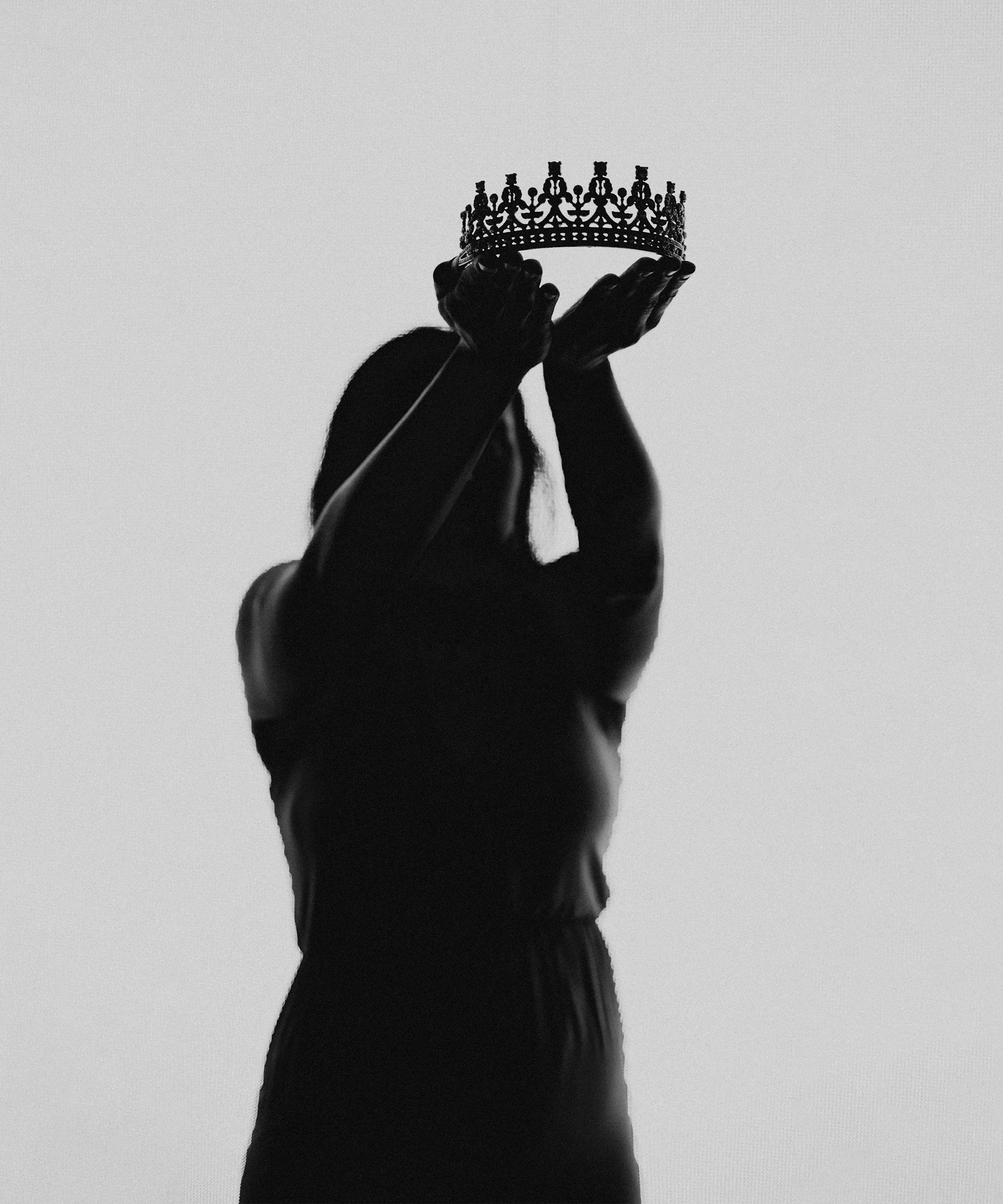
“You are no longer eye candy for men. You are the daughter of the King. Dress like it, and carry yourself like a princess.
She chose well that day, modest, beautiful apparel. She went on to become an amazing substance abuse counselor, carrying the message of hope and healing.
This week's Torah portion, Tetzavah, not only continues the plans Yah gave Moses for building the sanctuary in the wilderness that He may dwell with us, but also gives detailed instructions for the holy garments the priests were to wear to carry out their duties.
Holy garments. Because garments matter.
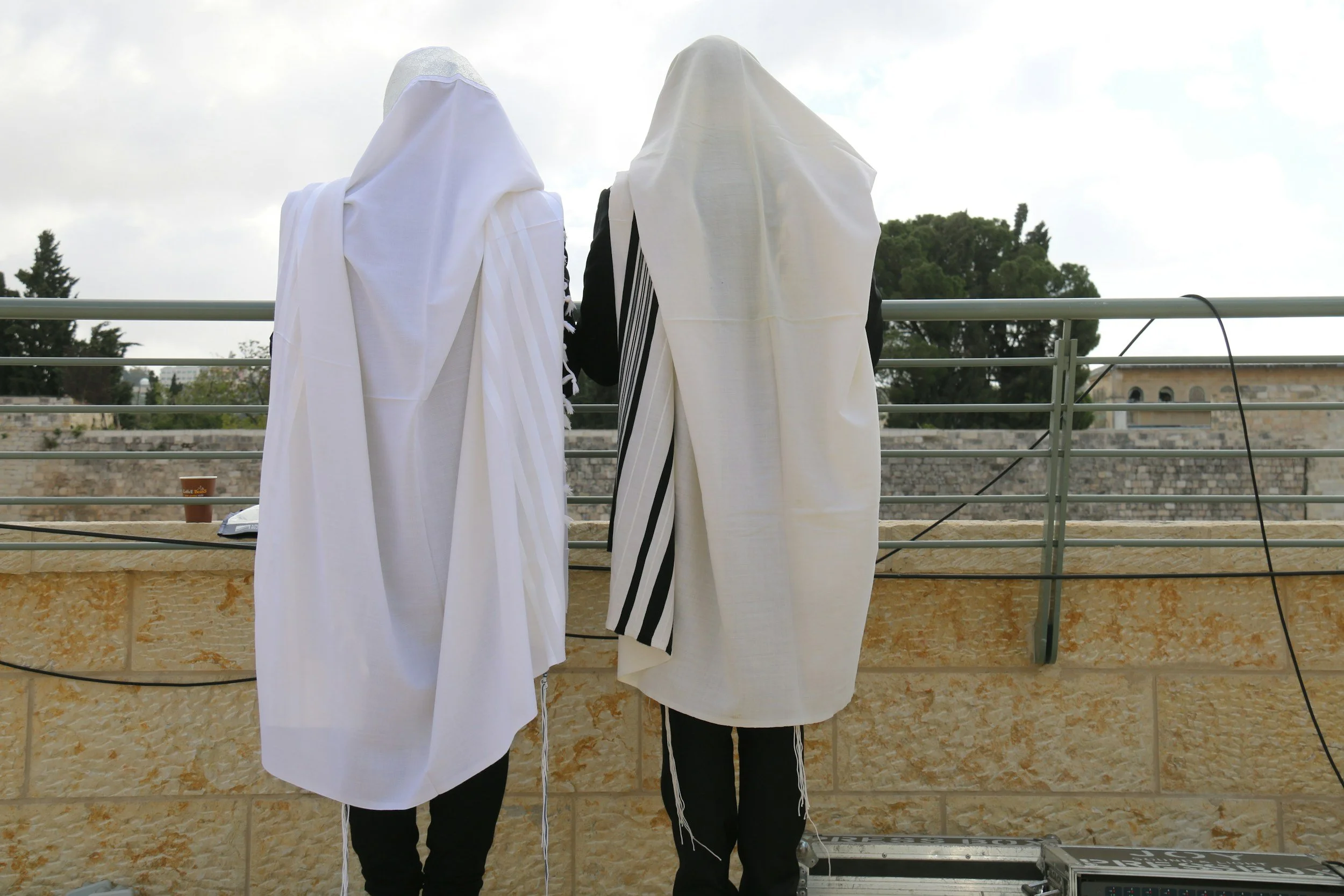
We are sons and daughters of the Most High, the King of Kings and Lord of Lords. We wear tzitzit as a reminder of our identity, which, in turn, opens the door for conversations about the teachings in the Torah and the identity of His chosen people.
Colossians 3: 2-7 focus on things above, not on things of earth, for you have died and your life is hidden with Messiah in God. vs 5 therefore put to death what is earthly in you, sexual immorality, impurity, lust, evil desire, and greed; vs 7 at one time you also walked in these ways, when you used to live in these ways, but now, set them all aside, anger, rage, malice, slander, and foul language out of your mouth.
After all, you have taken off the old self with its practices and have put on the new self that is being renewed in knowledge, according to the image of the one who created him (you)
Verse 12
Therefore, as God’s chosen people, holy and dearly loved, clothe yourselves in tender compassion, kindness, humility, gentleness, and patience. Bearing with one another and forgiving each other.
I want to explore Colossians 3:5-9 from a trauma perspective. I encourage you to pray and ask the Lord if you have any unresolved trauma that you may be coping with through unhealthy habits or addictions. Consider how this relates to the "garments" we choose to wear in our lives.
Garments speak in a quiet tongue. A hem, a color, a chosen texture becomes a whisper of who we are — our roots, our longings, our boundaries, our moods. Clothing holds memory and meaning, carrying the stories we don’t always say aloud. In every layer we wrap around ourselves, there is a small declaration: this is how I move through the world, this is the shape of my dignity, this is the truth I choose to reveal or keep close.
I also used to get kicked out of the bars due to my filthy language, I said the “F” word…a lot…Now I use a different “F” word.
Fight | Flight | Fawn | Freeze
Our choices, including how we present ourselves to the world, are often shaped by deeper survival patterns. Fight, flight, freeze, and fawn are the four core trauma responses. They are automatic survival strategies the nervous system uses when it senses danger.
• Fight: using anger, defensiveness, or control to feel safe.
• Flight: escaping, avoiding, or staying constantly busy to outrun danger.
• Freeze: shutting down, going numb, or feeling stuck when action feels impossible.
• Fawn: people‑pleasing, appeasing, or over-accommodating to stay safe.
Each response is adaptive and protective, shaped by past experiences, not a sign of weakness.
Epigenetics of trauma refers to how traumatic experiences can alter gene expression without changing DNA itself. Stress and adversity can add or remove chemical tags that influence how genes turn on or off, shaping stress responses, immunity, and emotional regulation. Some of these epigenetic changes may be passed to future generations, affecting how descendants respond to stress.
These marks are not permanent; supportive environments, safety, and healing experiences can help reverse them.
Post‑slavery epigenetics in the Hebrews refers to how generations of enslavement in Egypt may have left biological and behavioral imprints on stress‑response systems. Chronic fear, deprivation, and instability can create epigenetic marks, chemical changes that influence how genes turn on or off—shaping vigilance, emotional regulation, and reactions to scarcity.
After the Exodus, the Hebrew community showed patterns consistent with trauma adaptation, such as fear of lack and difficulty trusting safety. These epigenetic effects are not fixed; they can soften across generations through stability, community, spiritual practices, and a healing environment.
Recovery work involves putting off the old self, as mentioned in Colossians. It requires time and effort, and there is a specific path to follow for recovery. If you’re interested in learning more, please visit my website, where you’ll find tools to support your journey!
If you are reading this, chances are, He has called you out of the darkness to walk in His light, to put off the old person you were, and put on the new…
So, I will ask you, sister, brother, what are you wearing?
For further study, check it out!
