
Vayak’hel-Pekudei {Part Two}
Exodus 35:1-40:38
1. Honest Accounting: The Courage to Tell the Truth
The text begins with transparency: “These are the records… as they were recorded at the commandment of Moses.” Every ounce of gold, silver, and bronze is named. Every contribution is counted. Nothing is hidden.
This is the spiritual DNA of Step Four.
Not confession as punishment, but clarity as liberation.
Recovery requires this kind of inventory:
What did I carry
What did it cost
What did I build to survive
What am I choosing to build now
Moses models integrity because sacred spaces cannot be built on secrecy. Neither can sober, grounded lives.
2. Nothing Is Wasted: Every Offering Matters
The text lists everything from massive talents of gold to tiny hooks and pegs. “All the gold that was used… twenty‑nine talents and 730 shekels… the silver… the bronze…” Even the smallest items are recorded.
This is recovery truth:
Small steps count. Small boundaries count. Small routines count. Small offerings count.
Trauma trains us to dismiss our progress. Addiction trains us to measure ourselves by extremes. Pekudei teaches us to honor every stitch of the work.
The Mishkan was not built in a single dramatic moment. It was built piece by piece — the same way we rebuild our lives.
3. Skilled Hands, Willing Hearts: Healing Requires Community
The text names the artisans: “Bezalel… made all that the LORD commanded… and with him was Oholiab… an engraver and designer.”
Recovery is never a solo project.
We need:
Skilled helpers
Safe community
People who hold us accountable
People who hold us when we can’t hold ourselves
The Mishkan is a communal act of reconstruction. So is healing.
4. Consecration: Transforming Ordinary Work into Sacred Work
After the building comes the anointing: “You shall take the anointing oil and anoint the tabernacle and all that is in it… so that it may become holy.” This marks the moment when ordinary materials are transformed into sacred space.
In recovery, consecration involves:
Turning routines into rituals
Transforming boundaries into blessings
Converting survival skills into wisdom
Changing pain into purpose
The work of healing becomes holy when we dedicate it to life, truth, and freedom.
5. When the Work Is Ready, Glory Returns
The climax of the portion is breathtaking:
“Then the cloud covered the tent of meeting, and the glory of the LORD filled the tabernacle.”
This is the promise of recovery.
When we do the slow, honest work
When we build new patterns
When we create space for truth
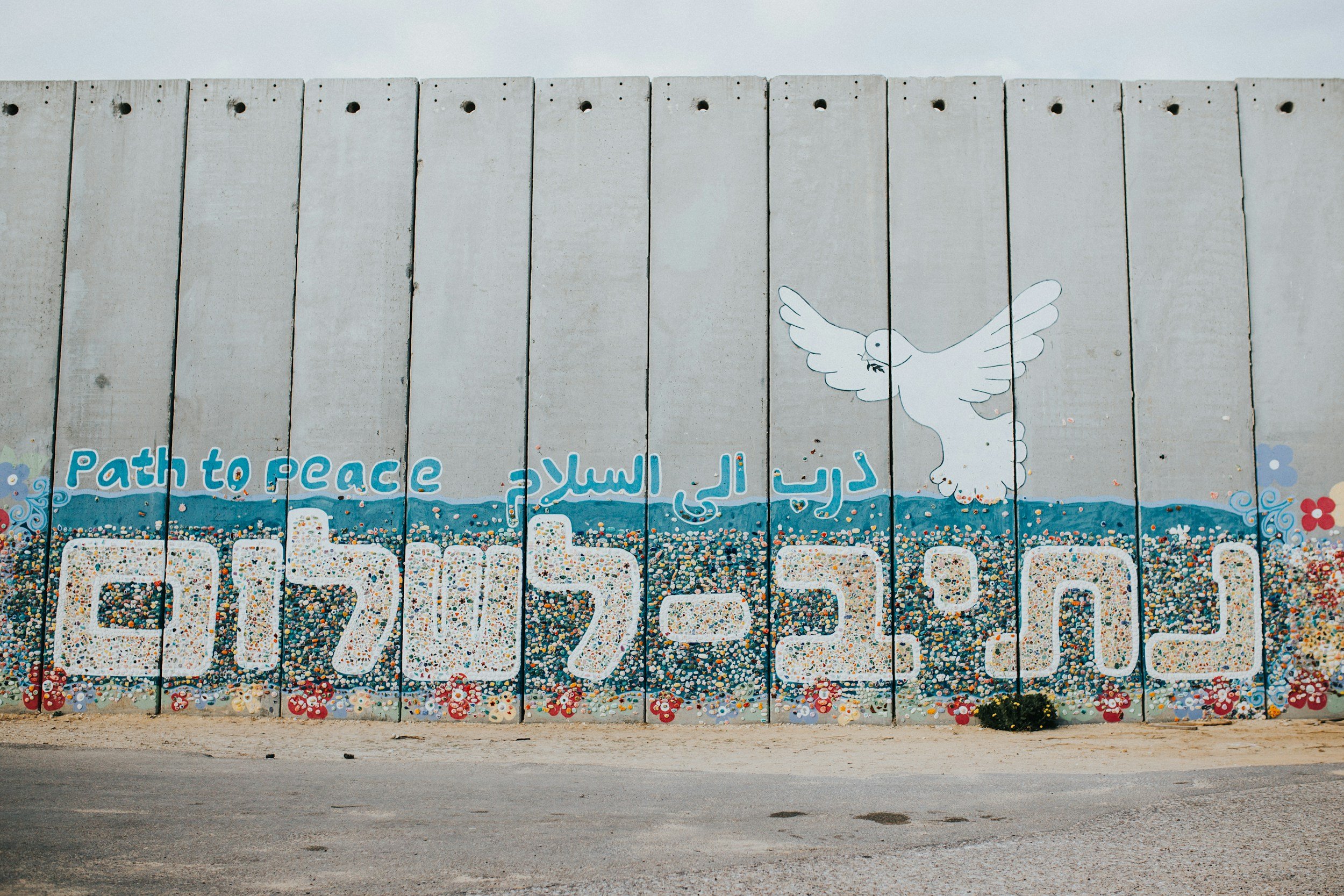
When we make room for peace
Something sacred returns.
Call it dignity.
Call it clarity.
Call it God.
Call it your true self.
Whatever name you give it, the Presence fills the space you’ve rebuilt.
6. Learning to Move with Presence, Not Impulse
Respond instead of react
The section concludes with a rhythmic statement: “Whenever the cloud was lifted, the people set out. But if the cloud was not lifted, they did not set out.” This represents Step Eleven in narrative form.
Recovery teaches us to:
Move when clarity emerges
Rest when the body signals the need for rest
Follow guidance rather than panic
The Mishkan serves as a metaphor for a regulated nervous system: presence leads, and people follow.
A Closing Word for Your Journey
Pekudei invites us to see our lives as sanctuaries under construction.
You are allowed to rebuild.
You are allowed to take inventory without shame.
You are allowed to honor every small offering.
You are allowed to ask for help.
You are allowed to wait for the cloud to lift.
You are allowed to become a dwelling place for peace again.
And when the work is done — even imperfectly — glory fills the space.
Summary: How Pekudei Mirrors the Twelve Steps
Pekudei begins with an audit: “These are the records of the tabernacle…” This full accounting of materials, labor, and offerings reflects Steps 4 and 5 of recovery, which emphasize the importance of fearless honesty and sharing the truth within a community. The text then describes the skilled inner work involved in crafting the tabernacle — gold hammered into threads, stones engraved, and garments woven “in skilled design.” These descriptions correspond to Steps 6 and 7, where we prepare for change and seek transformation.
The people present the completed work to Moses, stating, “Then they brought the tabernacle to Moses…” This act illustrates Steps 8 and 9, which focus on making amends and restoring what has been damaged. The repeated phrase, “as the LORD commanded Moses,” serves as a model for Step 10, emphasizing daily alignment and ongoing self-inventory.
Upon completion, “the glory of the LORD filled the tabernacle,” reflecting Step 11, where conscious contact and spiritual guidance become central to life. Finally, the Mishkan becomes a place of service, blessing, and divine presence, as shown when “Then Moses blessed them.” This embodies Step 12, which involves carrying the message and living a transformed life that aids in the healing of others.
Pekudei represents the Twelve Steps in architectural form — from honest inventory and surrendered design to personal transformation, relational repair, daily maintenance, spiritual guidance, and ultimately, a life rebuilt into a sanctuary of peace.
