
Rebuilding the Inner Sanctuary: Torah, Recovery, and the Healing of My Gut
For most of my life, I believed that healing occurred in the mind or spirit. I didn’t understand that trauma leaves marks on the body, especially the gut. It wasn't until I received my microbiome test results, filled with terms like “permeability,” “low mucosal lining,” and “stress-responsive bacteria,” that I realized my story was not only emotional but also biological. My gut had been revealing the truth long before I had the words to express it. Research now shows that trauma and chronic stress can deeply affect the gut and microbiome, influencing digestion, inflammation, and emotional health.
The Body as Wilderness
Complex Post-Traumatic Stress Disorder (CPTSD) had shaped my physiology in ways I never understood. The test results read like a commentary on my childhood:
High zonulin — boundaries breached.
Low Akkermansia — a lining worn thin from years of vigilance.
High Proteobacteria — unwelcome influences when safety was absent.
High sulphate-reducers — environments that burned and relationships that corroded.
Low diversity — a life limited by survival mode.
My gut wasn’t malfunctioning; it was bearing witness.
Torah: The Sanctuary Within
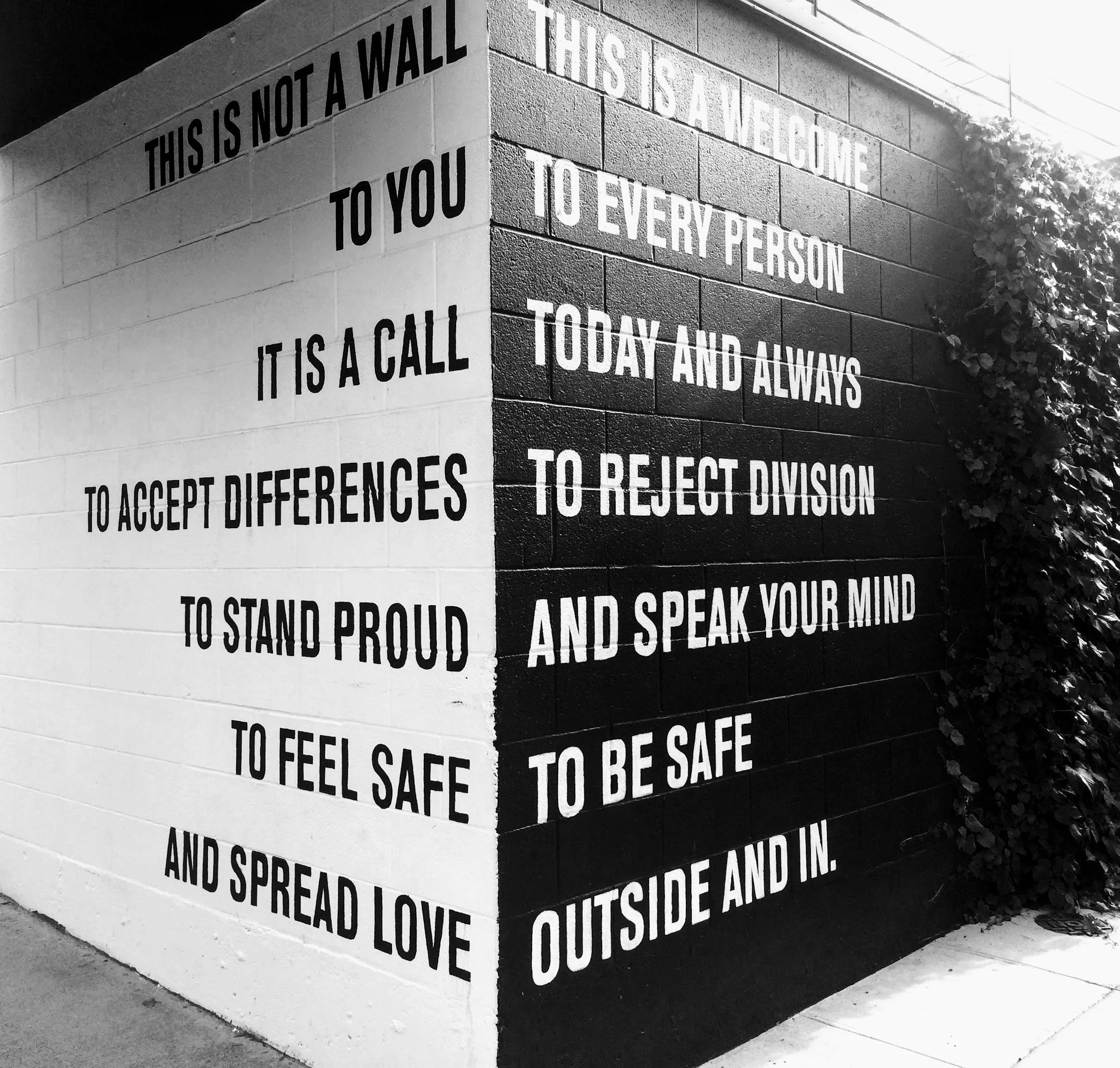
In Terumah, God says, “Build Me a sanctuary, that I may dwell within you.” For years, I thought this meant prayer or devotion—something spiritual, something abstract. But when I examined my gut test, I understood something deeper: The sanctuary is also the body. The Mishkan (Tabernacle) is also the gut. The inner lining is also a holy space
The Israelites built the Mishkan slowly, with offerings from every heart—gold, silver, copper, wool, linen, oil, spices. Nothing was too small; everything mattered. My healing would have to follow the same pattern.
Recovery: The Rhythm of Rebuilding
The Twelve Steps taught me that transformation does not come through force but through surrender, honesty, and willingness. Gut healing turned out to be the same. I couldn’t force my gut into balance any more than I could force myself into sobriety. I had to approach it as I approached recovery:
One day at a time.
One gentle choice at a time.

One small offering at a time.
Warm soup instead of chaos. Predictable meals instead of a crisis. Tiny doses of nourishment instead of overwhelm. These became my offerings, my daily terumah.
The Gut as Mishkan
As I began to heal, I realized my gut was becoming a sanctuary—a place where safety could finally dwell. Resistant starch nourished the butyrate-producing bacteria that help rebuild the lining. Fermented foods reintroduced life in manageable doses. Warm meals signaled safety to a nervous system that had been on high alert for decades. Evenings of calm allowed the gut to repair itself overnight.
This was not just a diet; it was a spiritual practice, a way of telling my body, “You’re safe now.”
The Slow Return of Safety
Healing didn’t happen all at once; it occurred much like the building of the Mishkan slowly, deliberately, with heartfelt offerings. Each warm meal served as a beam of acacia wood. Each gentle walk functioned as a silver hook. Each teaspoon of resistant starch represented a thread of blue, purple, or crimson. Each quiet evening was akin to a curtain being drawn.
As the lining thickened, so did my sense of self. As the inflammation quieted, so too did my old alarms. As my gut softened, so did my vigilance.
The Body Keeps the Score and the Map
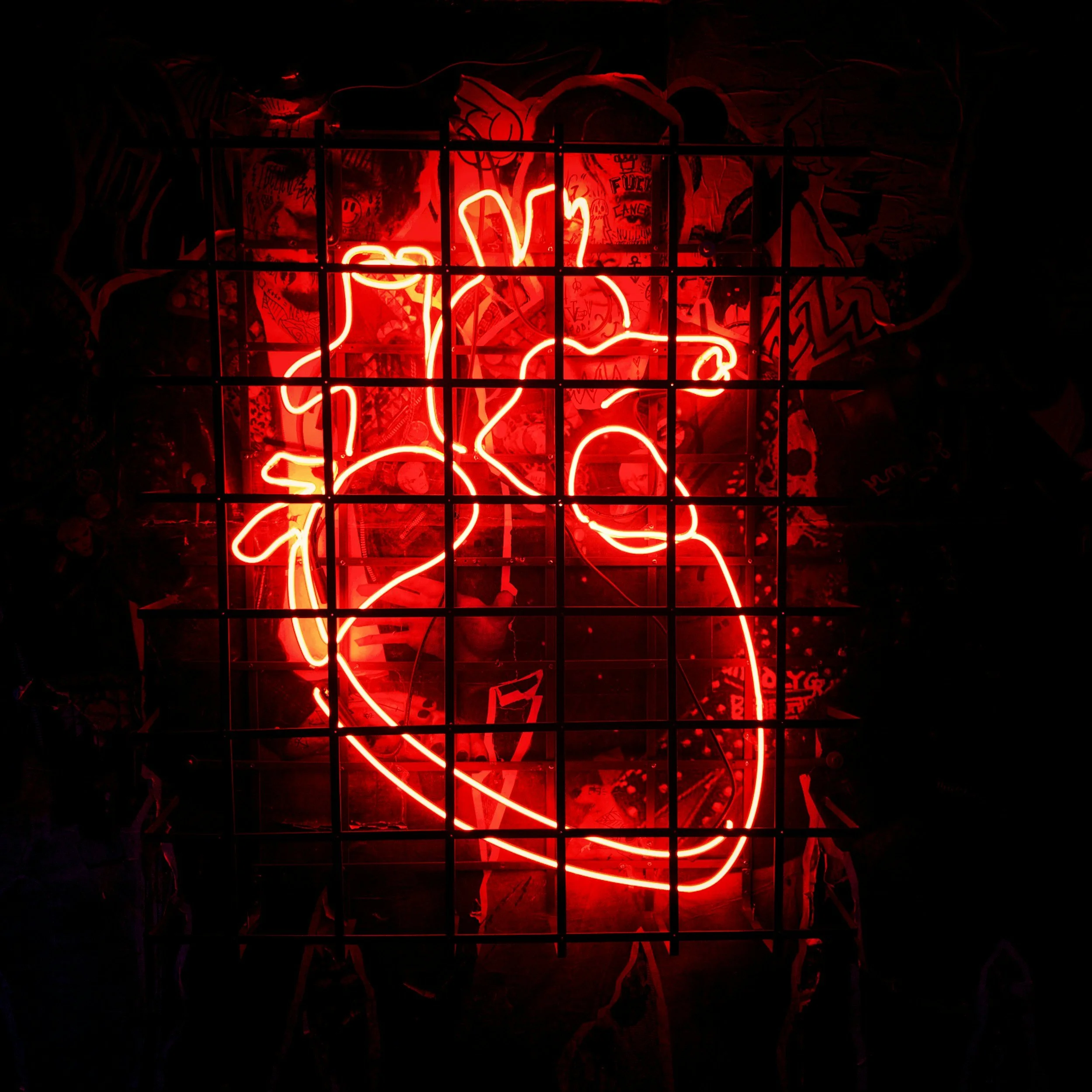
My gut was not just a site of damage; it was also a site of revelation. It showed me the cost of trauma, but it also illuminated the path to healing. It revealed that healing is not a single event but a series of offerings. It taught me that recovery is not merely about abstaining from substances, but about returning to the body with compassion. It showed me that Torah is not just an ancient instruction but a living blueprint for rebuilding what was broken.
My gut healed in the same way, not through force, but through faithfulness. Not through grand gestures, but through small, steady offerings from the heart.
