
Torah Portion: Ki Tisa
This week's Torah portion is filled with activity! There is pounding, sawing, sewing, and mixing as artistic designers, perfumers, and craftsmen, empowered by the Holy One, create His tabernacle, holy garments, holy anointing oils, and holy incense.
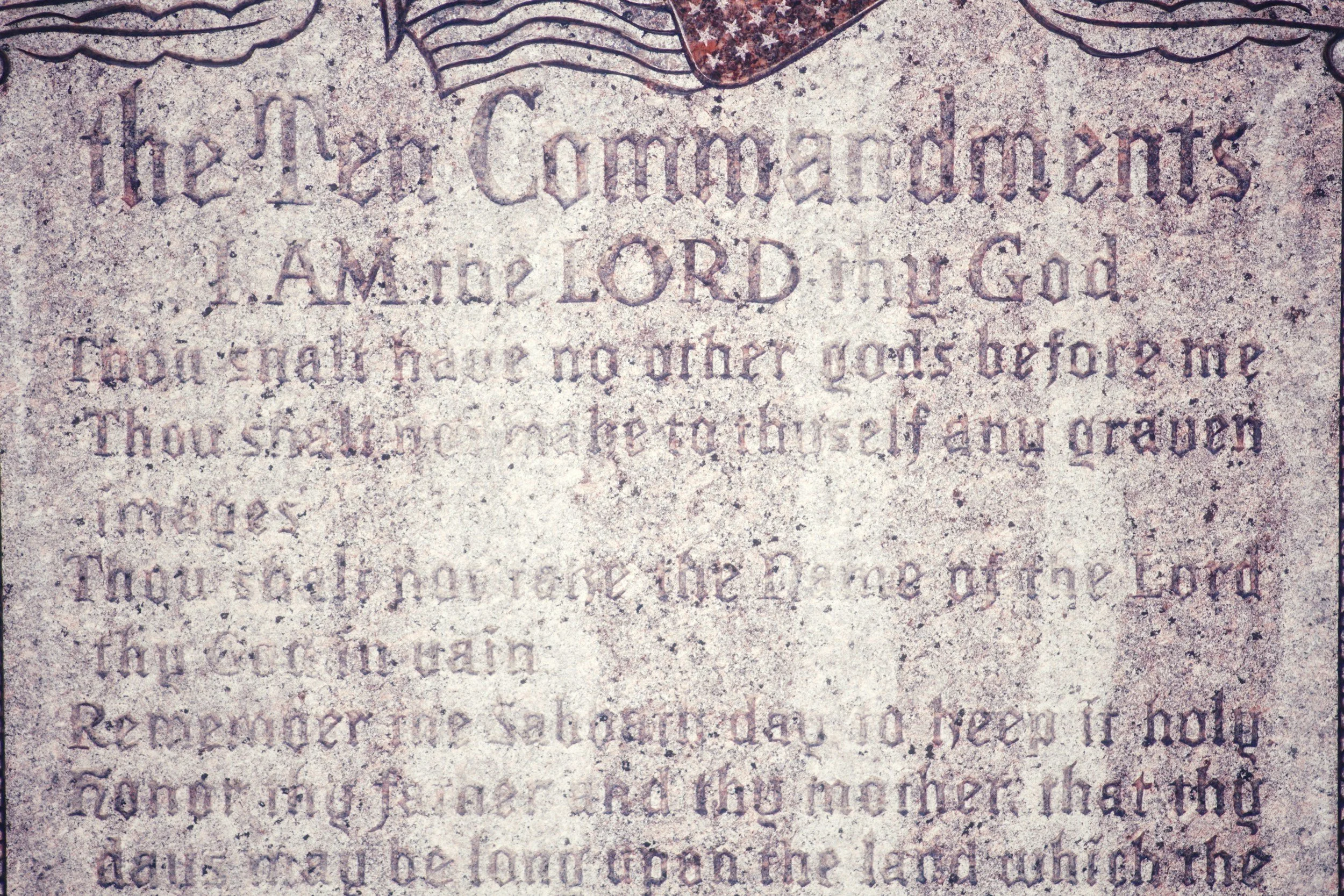
The commandment of the Sabbath is given, along with the other commandments, written by Yah’s own finger. However, as Moses and his team return to the camp, he finds the Israelites in a state of relapse, engaged in a wild celebration while worshipping the golden calf. In his anger, Moses smashed the stone tablets containing the Torah written by Yah’s own finger.
We are witnessing some erratic behavior and emotions from Moses, ordering the leaders of the rebellion to be killed and then pleading with Yah for the souls of the people.
Last week, we explored the four F’s: fight, flight, fawn, and freeze. This week, we are going to continue exploring these trauma responses as it relates to this week's Torah portion.
The portion Ki Tisa is often framed as a story of failure, a people who panic, build an idol, and break faith. But anyone who has walked the Twelve Steps, survived trauma, or rebuilt a life after addiction can see something deeper happening. This is not a story of “bad choices.” It is the story of a newly freed nation whose nervous systems are still shaped by centuries of slavery. Their reactions are not moral defects. They are trauma responses — the same ones we see in early recovery.
And when we read Ki Tisa through the lens of the Twelve Steps, the entire narrative becomes a map of spiritual healing.
Step 1 “We admitted we were powerless…”
When Moses disappears on the mountain, the people feel powerless. The unknown feels dangerous. Silence feels like abandonment. Their bodies remember Egypt even though their minds want freedom. This is Step 1 in real time: the moment when fear overwhelms the capacity to self‑regulate.
Step 2 “Came to believe…”
Instead of turning toward the God who freed them, they turn toward something they can see and control. This is the trauma brain trying to create safety. Step 2 is the invitation to trust a Power greater than our fear — something the Israelites are still learning how to do.
Step 3 “Turned our will and our lives over…”
The Golden Calf is what happens when Step 3 hasn’t taken root yet. When we don’t know how to surrender, we grasp. We build substitutes. We reach for the thing that soothes us fastest. It’s not rebellion — it’s dysregulation.
Step 4 “Made a searching and fearless moral inventory…”
Moses’ return forces the people to face themselves. The shattered tablets are the shattered illusion of “we’re fine.” Step 4 begins when the truth breaks open, and we can no longer pretend.
Step 5 “Admitted to God, to ourselves, and to another human being…”
Moses stands in the breach and speaks the truth on behalf of the people. This is the first moment of collective honesty. Step 5 is always the bridge between rupture and repair.
Step 6 “Were entirely ready…”
The people remove their ornaments — a symbolic shedding of ego, pretense, and self‑protection. Readiness is not perfection. It’s willingness. This is Step 6 embodied.
Step 7 “Humbly asked Him to remove our shortcomings…”
God reveals the Thirteen Attributes of Mercy — compassion, patience, steadfast love. This is the Higher Power responding not with punishment but with the repair of attachment. Step 7 is the moment we ask for help and discover we are not met with shame.
Step 8 “Made a list…”
The half‑shekel census is a spiritual reset. Every person counts. Every person contributes. Every person is accountable. Step 8 begins with recognizing the weight of our actions and the value of every soul.
Step 9 “Made direct amends…”
The renewed covenant — the second tablets — is the amends process in sacred form. The relationship is repaired. The trust is rebuilt. The story continues.
Step 10 “Continued to take personal inventory…”
The daily maintenance of the Mishkan becomes the model for Step 10. Boundaries, rituals, and rhythms keep the community grounded. Recovery is not a one‑time event; it is a daily practice.
Step 11 “Sought through prayer and meditation…”
Moses’ intimate conversations with God — “Show me Your glory” — are the heart of Step 11. Conscious contact. Honest seeking. A relationship that deepens through vulnerability.
Step 12 “Having had a spiritual awakening…”
The people move forward with a renewed sense of purpose. Their healing becomes communal. Their story becomes service. Step 12 is not about perfection; it is about carrying the message through the way we live.
Why this matters for recovery today
Ki Tisa is not a story about a faithless people. It is the story of a traumatized people learning how to live free. Their nervous systems speak before their faith does. Their fear speaks before their wisdom does. Their old coping mechanisms speak before their new identity is fully formed.
And yet the Holy One does not abandon them.

Instead, God meets them with compassion, patience, and repair. The covenant is rewritten, not revoked. The relationship is restored, not severed. The journey continues, not canceled.
This is the heart of recovery:
Rupture is not the end. Repair is always possible.
